How I Used Imagemagik to Create Photorealistic AI Images That Fool the Eye
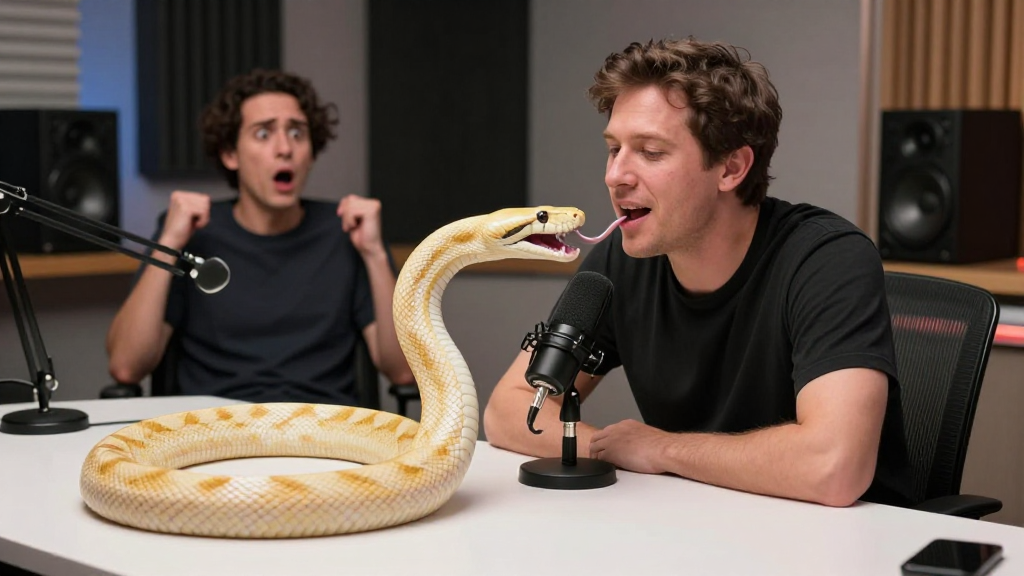
When I first heard about text-to-image AI generators, I assumed they would be limited to quirky illustrations or slightly off digital art. Today, I challenged Imagemagik.app with a project that would test its limits: creating complex, photorealistic scenes where animals and humans interact naturally in real-life scenarios. The results were shocking — images so lifelike that at first glance, you’d believe they were captured with a camera.
Setting the Stage: Animals, Humans, and the Unexpected
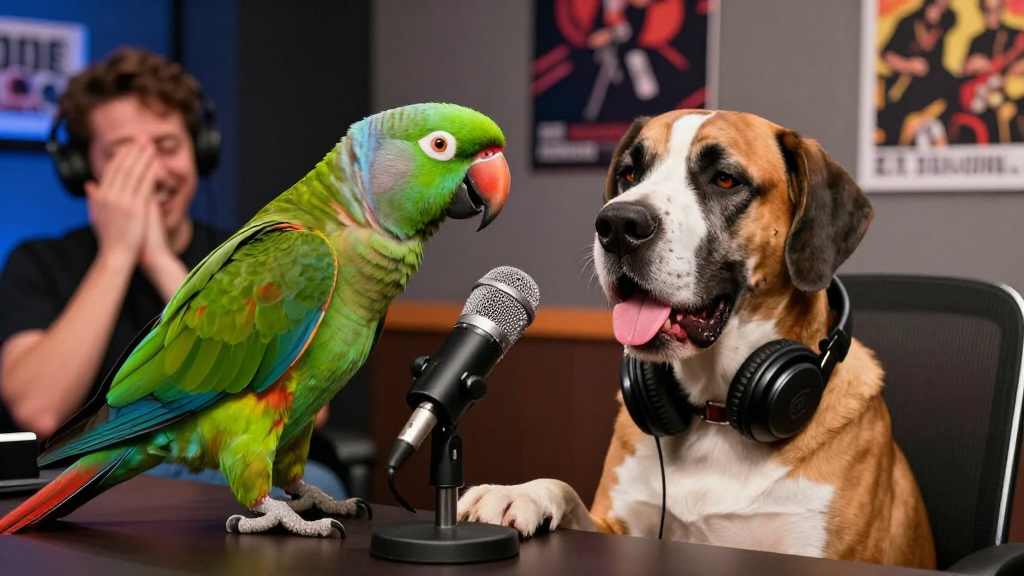
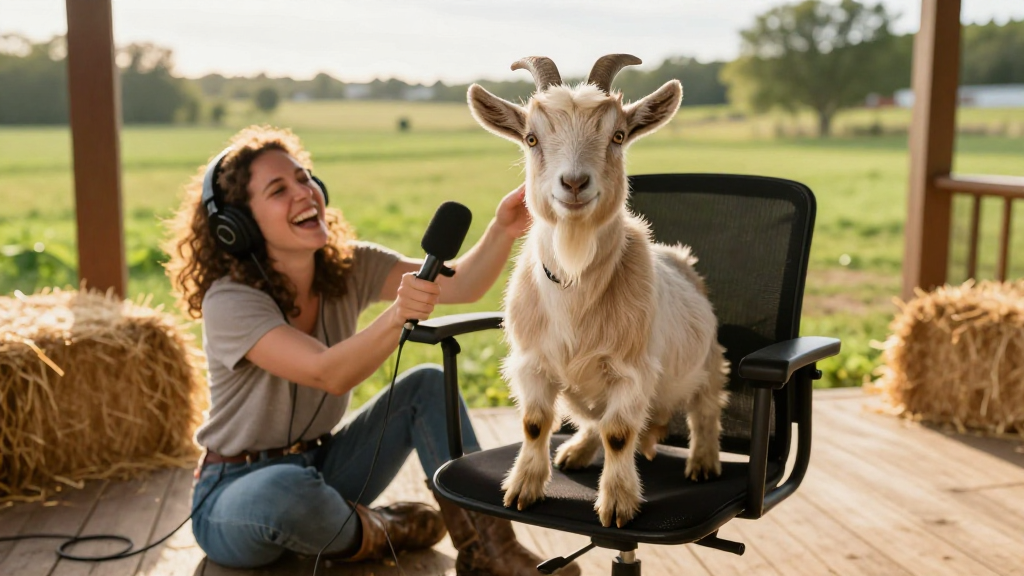
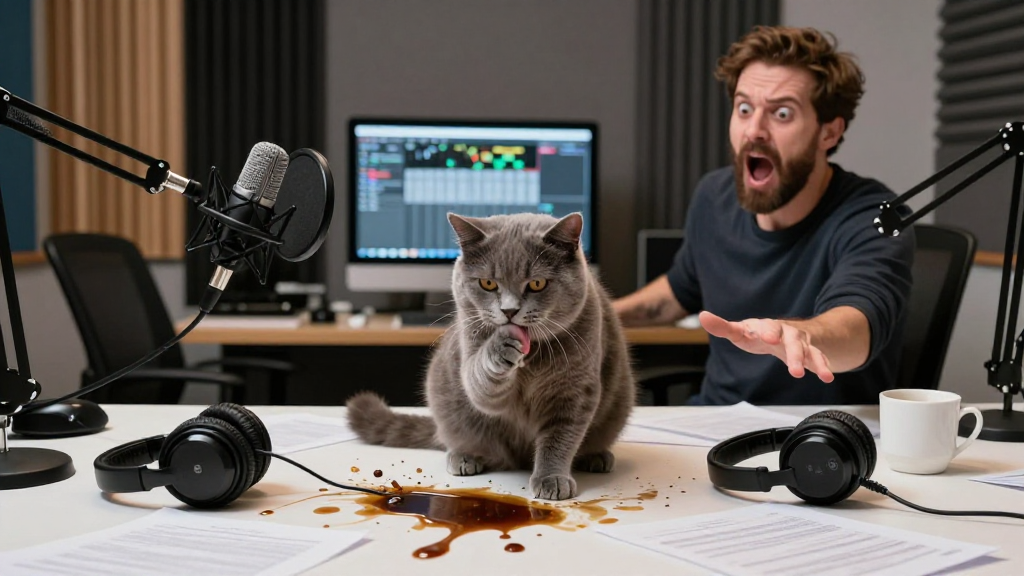
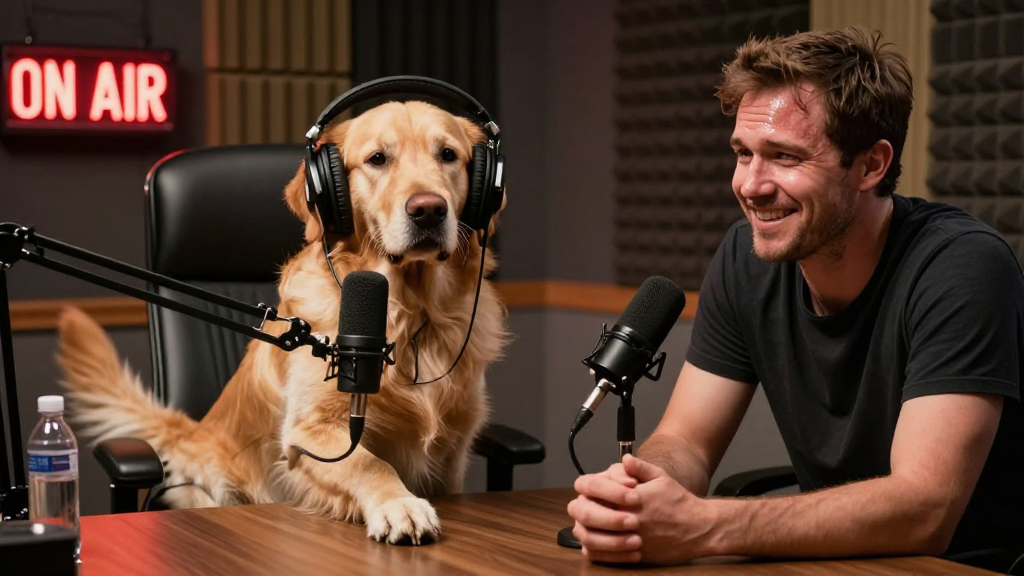
I wanted to push Imagemagik beyond simple portraits or objects. My prompts included scenes like: a golden retriever hosting a podcast while a human guest looks nervously across the table; a cat knocking over a microphone and coffee cup mid-recording; a goat stealing the host’s chair on a sunny farm porch. Each prompt specified lighting, camera angle, textures, and human expressions.
What happened next was surprising. The AI handled complex depth, multiple subjects, and natural interaction flawlessly. Every hair on the animals, every expression on the humans, and every reflection and shadow felt authentically photographic. It wasn’t cartoonish or artificial — it was convincing, absurdly so, and totally viral-ready.
Why Realism Matters in AI Images
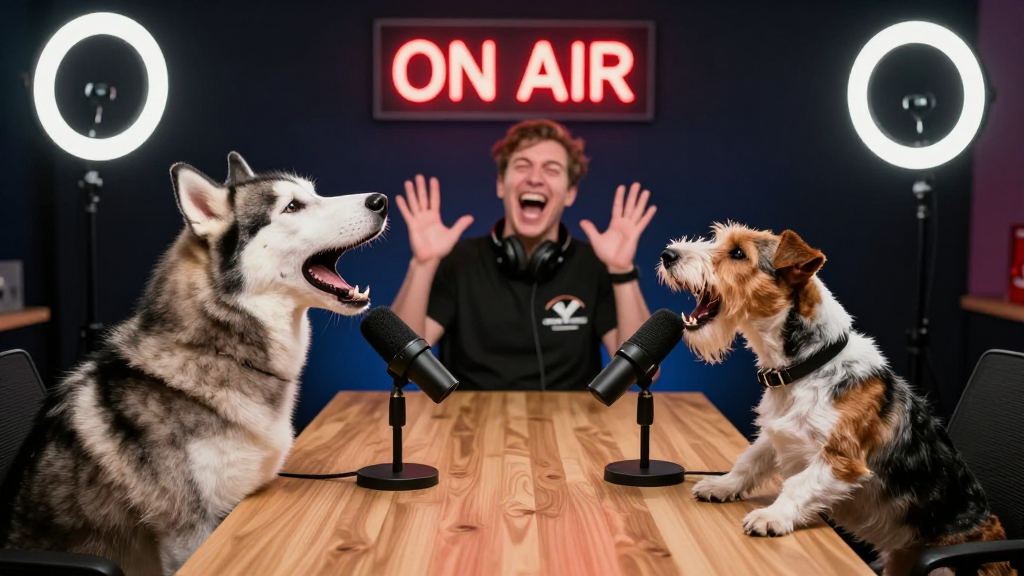
Photorealism isn’t just about aesthetics; it’s about credibility. In marketing, social media, and storytelling, people instantly trust visuals that look real. By producing images that are indistinguishable from photography, Imagemagik allows creators to:
- Test creative concepts without expensive photoshoots
- Generate visuals that grab attention immediately
- Experiment with impossible or absurd scenarios that would be unfeasible in real life
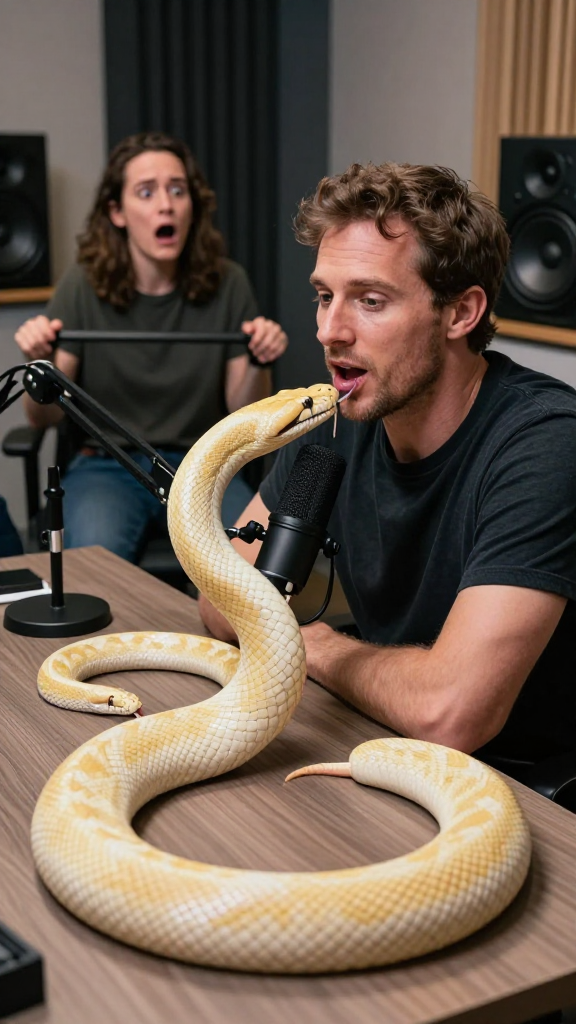
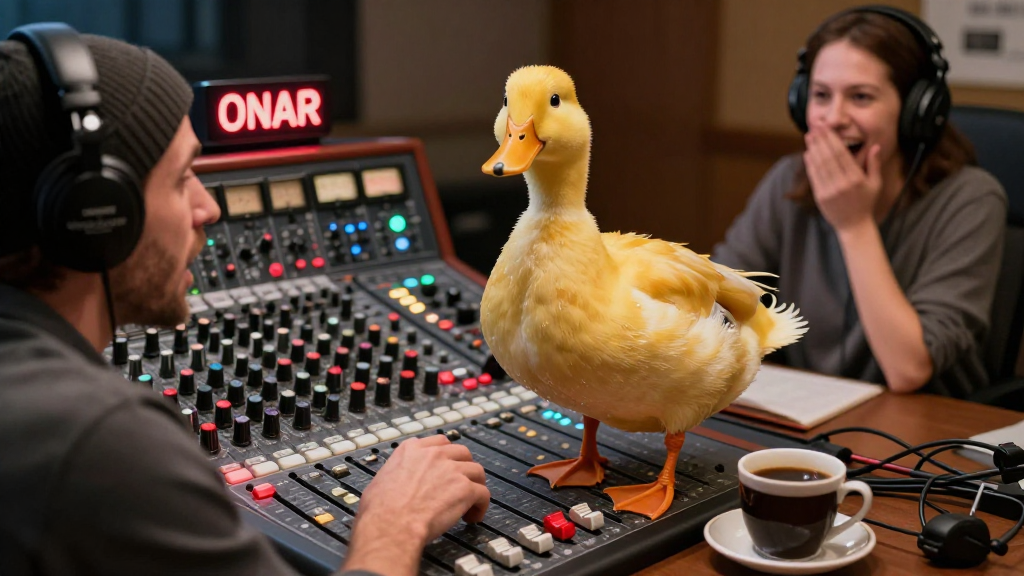
For example, a duck controlling a podcast soundboard or a snake acting as a microphone might seem ridiculous, but the realism in lighting, posture, and detail tricks the eye, making these images funny, memorable, and shareable.
Prompt Precision: The Secret Behind Believability
The difference between a “good” AI image and a truly photorealistic one comes down to prompt detail. In today’s experiments, I described:
- The animal’s species, posture, and interaction with humans
- Human reactions, gestures, and expressions
- Environmental details like studio design, farm porches, props, and backgrounds
- Lighting and mood, such as golden hour, soft indoor lighting, or natural shadows
- Camera perspective, depth of field, and focal points
Every additional detail improved the AI’s ability to produce images that feel lived-in and natural. Without it, scenes would have appeared static or artificial. With it, the images tell a story at a glance.
Making AI Images Work for Creators
Photorealistic AI images aren’t just for novelty; they’re tools for content creators, marketers, and brands. Here’s why:
- Speed and Efficiency – Concepts that would require a full photoshoot can now be visualized in minutes.
- Cost Reduction – No studios, no actors, no props. Just your imagination and a detailed prompt.
- Creative Flexibility – Scenes can be absurd, imaginative, or impossible in real life.
- Viral Potential – Funny, unexpected, or visually striking images attract more engagement and shares.
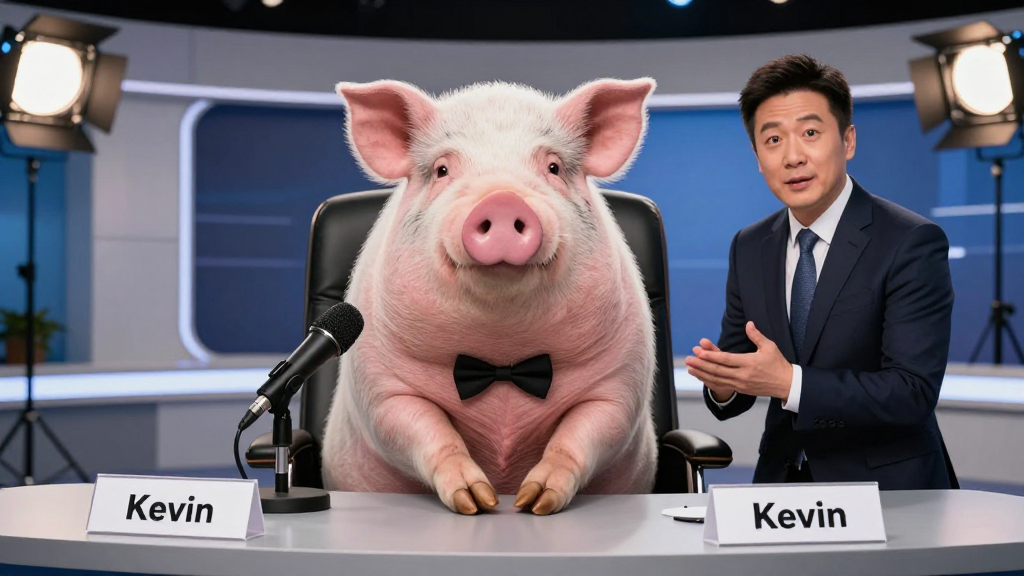
Today’s prompts demonstrated that even complex scenarios — animals “hosting” or “interviewing” humans — can be rendered with incredible realism, showing exactly how far AI has come.
Lessons for the AI Community
For those working in AI-generated visuals, this exercise highlights two critical lessons:
- Prompt Engineering is Everything – Detailed, precise prompts lead to better realism, natural interaction, and professional-quality images.
- Photorealism Drives Engagement – Viewers trust visuals that look real, even in absurd or fantastical contexts.
These insights are directly applicable for marketers, content creators, and social media managers who want images that stop the scroll. Today, realism isn’t optional; it’s essential for credibility and engagement.
Why Imagemagik Stands Out
While many AI image generators produce stylized or semi-realistic results, Imagemagik excels at turning detailed text into images that could exist in the real world. It captures:
- Natural lighting
- Textures in fur, skin, and fabric
- Realistic depth and perspective
- Human expressions aligned with the scenario
For content creators, that means instant access to professional-quality visuals without a camera or studio.
Conclusion: AI Visuals Are the Future
Using Imagemagik today showed me that photorealistic AI images are no longer just possible — they are practical. By combining detailed prompts with a powerful text-to-image AI, creators can generate images that are funny, absurd, heartwarming, or viral-ready — while looking completely real.
For anyone creating content online, this is a game-changer. Whether you want to produce viral posts, campaign visuals, or story-driven imagery, AI-generated photorealistic images are now a tool that saves time, money, and effort — while opening creative doors that were previously impossible.