How I Used AI Image Generation to Turn the Story of the Seven Days of Creation Into Engaging Visual Content
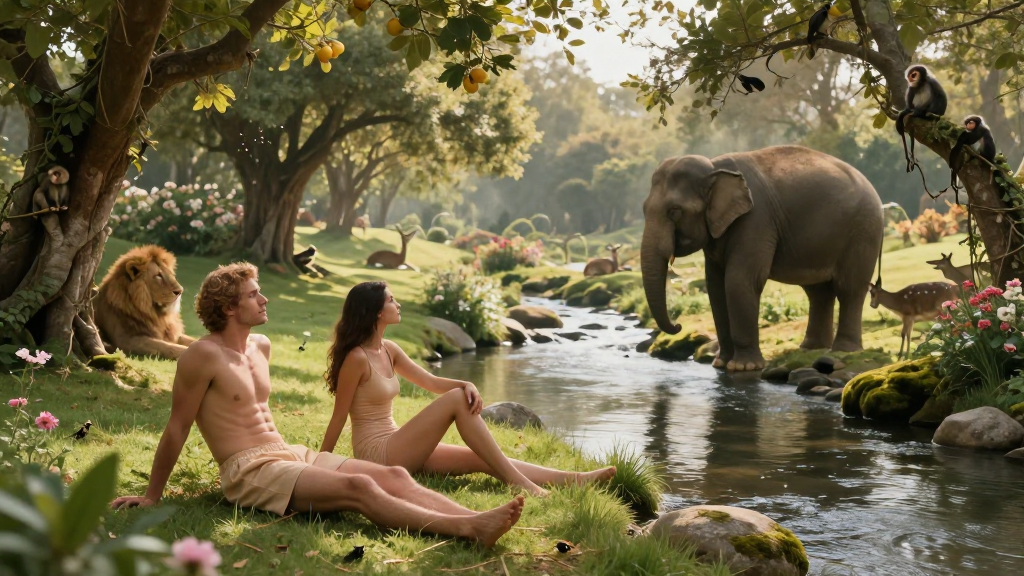
As a father and part‑time content creator, I’m always looking for tools that help me work smarter and connect with audiences in meaningful ways. I never thought that an ancient narrative could become a source of visual inspiration — until I discovered a powerful text‑to‑image platform called ImageMagik.app. What started as a curiosity has become one of my most reliable creative workflows, especially on days when I need fresh content that resonates with both young viewers and adults.
In today’s blog, I want to walk you through how I used AI image generation to visually interpret the seven days of creation, how it transformed my content creation process, and why this approach is now helping me earn extra income while strengthening my engagement on social platforms.
Why Visual Storytelling Matters
People today are bombarded with text. Whether scrolling through social feeds or reading an article, the brain naturally gravitates toward visuals. A compelling image can make a story feel immediate, real, and emotionally resonant. When I first learned about AI tools that convert descriptive language into images, I was skeptical. Could a machine really produce believable, meaningful visuals from simple text prompts?
Then I tried ImageMagik.app.
From Concept to Images: First Steps
The idea was simple: take a familiar narrative — the seven days of the creation story — and generate a series of images that reflect each day’s theme. I wanted visuals that felt grounded and natural, not graphic art or unsettling surrealism. My goal was realism: lighting that mimics sunlight, textures that look like real earth, water, sky, foliage, and human features that feel authentic.
ImageMagik.app gave me the tools to do just that.
Instead of relying on stock photos or commissioned art, I could type detailed prompts and watch as the system generated visuals as if a photographer had set up the perfect shot. It wasn’t instant perfection — I learned to refine my descriptions, adjust for lighting and mood, and be very specific about how I wanted each element to appear. That specificity is what separates generic AI art from believable visual storytelling.
Breaking Down the Seven Days
Each day of creation has a distinct theme, and crafting a visual interpretation for each was a creative challenge I embraced:
- Light and Darkness: Starting with the simplest contrast, I used wording that emphasized the emergence of light across a dark landscape. Instead of a static sun or moon, the goal was to show gradations of brightness and shadow as if a new dawn were unfolding.
- Sky and Air: Clouds, distant horizons, and shifting light became central. I pushed the AI to render atmosphere with depth, the sense of open expanse, and the interplay of sky and earth.
- Land and Vegetation: Rolling hills, forests just beginning to thrive, and diverse plant life required careful language about textures and natural growth patterns. I wanted the images to feel like places you could walk into.
- Sun, Moon, and Stars: Here I balanced celestial bodies against earthly details — sky hues at different times of day, soft lighting across terrain, and subtle starfields that feel real rather than stylized.
- Sea Creatures and Birds: My emphasis here was motion and presence — birds paused in flight, fish in natural water settings, animals that appeared alive yet calm, not busy or cluttered.
- Land Animals and Humans: I focused on spacing, natural proportions, and believable interaction with the environment. These weren’t cartoonish scenes; these were believable portraits of life and environment.
- Rest and Harmony: The final image needed to reflect balance — a calm moment where creation felt complete and peaceful. I directed the AI to emphasize soft light, resting animals, and humans in natural poses that suggest contemplation rather than action.
Refining Prompts for Realism
What separates a basic AI output from a professional look is the language behind the prompt. I learned to describe:
- Lighting conditions (soft morning light, golden hour, diffused shadows)
- Textural detail (bark on trees, ripples in water, shading in fabric)
- Human features (specific hair, eye colors, natural physiques)
- Spatial depth (foreground, midground, background separation)
- Natural behaviors (animals resting, trees gently swaying)
The more precise my descriptions, the less AI needed to “guess,” and the more believable the results became.
Why This Works for Content Creation
Once I had these seven images, I began publishing them with short reflections, captions, or short social clips. Engagement spiked. Not because the images were flashy or weird, but because they felt authentic. They sparked curiosity and conversation.
Multiple streams of income started appearing as a result:
- Sponsored posts for other creators interested in AI visuals
- Commissioned requests for custom visual interpretations
- Affiliate links shared with my audience for tools I actually use
This has become a creative side business that’s both fun and financially rewarding.
Final Thoughts
If you’re a creator trying to stand out, you don’t need expensive gear or complex software. What you need is a way to make your ideas palpable, relatable, and visually striking. With ImageMagik.app, I turned a timeless narrative into compelling visuals that felt real, connected deeply with my audience, and supported my creative goals.
Your imagination should not be limited by your tools. It should be amplified by them.